
Pay-Per-Click advertising is no longer just about bidding on keywords and driving traffic. In 2026, successful advertisers build structured PPC funnel strategies that guide users from awareness to conversion in a deliberate and measurable way.
A PPC funnel strategy aligns ad formats, messaging, and targeting with each stage of the buyer journey. Instead of treating campaigns as isolated efforts, it creates a system designed to capture demand, nurture prospects, and convert efficiently.
Understanding how to structure a PPC funnel is essential for maximizing return on ad spend and achieving predictable growth.
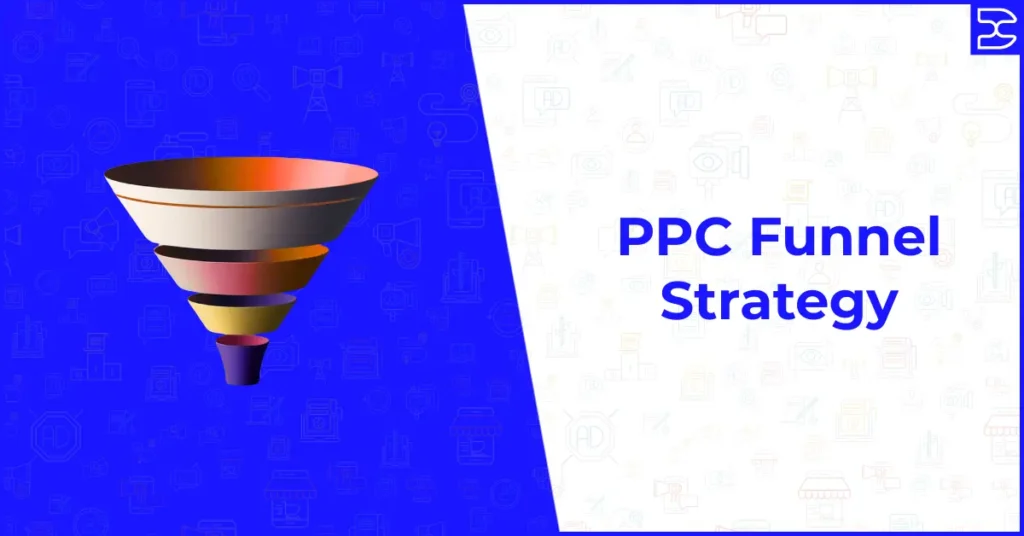
A PPC funnel strategy is a structured advertising framework that targets users at different stages of the buying journey:
Each stage requires different messaging, targeting, and campaign types. When executed properly, this approach reduces wasted ad spend and improves overall conversion rates.
At the top of the funnel, users are not actively searching for your brand. They may not even realize they need your product or service.
The goal at this stage is visibility and audience building.
At this stage, cost per conversion may appear high because users are still early in the decision process. The real value lies in building remarketing audiences.
In the middle of the funnel, users are evaluating options. They understand their problem and are comparing potential solutions.
The objective shifts from awareness to nurturing and qualification.
At this stage, conversion rates typically improve because the audience is warmer and more informed.
Bottom of funnel users are ready to act. They are searching for specific solutions and may be close to making a purchase decision.
The primary goal here is conversion.
This stage typically produces the highest return because users already have strong intent.
Many advertisers focus only on bottom-of-funnel campaigns. While high-intent targeting generates immediate conversions, it limits scalability.
Without top and middle funnel strategies, businesses:
A structured funnel strategy creates demand instead of just capturing it.
A strong PPC funnel follows this sequence:
This layered system increases total conversions while lowering overall acquisition costs over time.
Consider a digital marketing agency.
Top of Funnel:
They run display ads promoting educational blog content about SEO trends.
Middle of Funnel:
Visitors are retargeted with case studies and testimonials.
Bottom of Funnel:
Users who visited the pricing page are shown search ads targeting “SEO agency pricing” and “hire SEO consultant.”
This approach guides users step by step toward conversion.
To measure performance effectively, track different metrics for each funnel level.
Top of Funnel:
Middle of Funnel:
Bottom of Funnel:
Optimizing each stage separately ensures stronger overall performance.
Modern PPC platforms use artificial intelligence for bidding, targeting, and creative optimization.
To maximize results:
Automation works best when supported by a clear funnel structure.
A PPC funnel is not just about running ads. It is about delivering the right message at the right time.
Instead of chasing individual clicks, a funnel strategy builds long-term advertising efficiency.
A PPC funnel strategy transforms paid advertising from isolated campaigns into a coordinated growth system.
Top of funnel campaigns create awareness. Middle of funnel campaigns nurture trust. Bottom of funnel campaigns convert high-intent users.
In 2026, successful advertisers understand that paid media performance depends on structure, segmentation, and strategic alignment with the buyer journey.
If your goal is predictable and scalable growth, the question is not whether to use a PPC funnel. The question is how effectively you build and optimize it.
From in-depth discovery to ROI-focused execution, every step is designed to help your business grow smarter, faster, and stronger in the digital space.

Copyright © 2026 XproDigitals.com All rights reserved.